
Melt Flow Testing: The Secret to Assured Polymer Quality in Plastic Processing
News Release — Shenyang, China — Shenyang Baoruitong Automation Equipment Co., Ltd., a professional manufacturer of plastics testing instruments and laboratory equipment, today published an industry insight report on melt flow testing (MFT) and its role in assured polymer quality. With global plastic production soaring to almost 450 million tonnes annually, small variations in polymer quality can quickly cascade into scrap, downtime or even product recalls. Consistent melt flow rate (MFR) measurement is one of the fastest and most reliable ways to keep polymer processing on track (source: Interplas Insights).
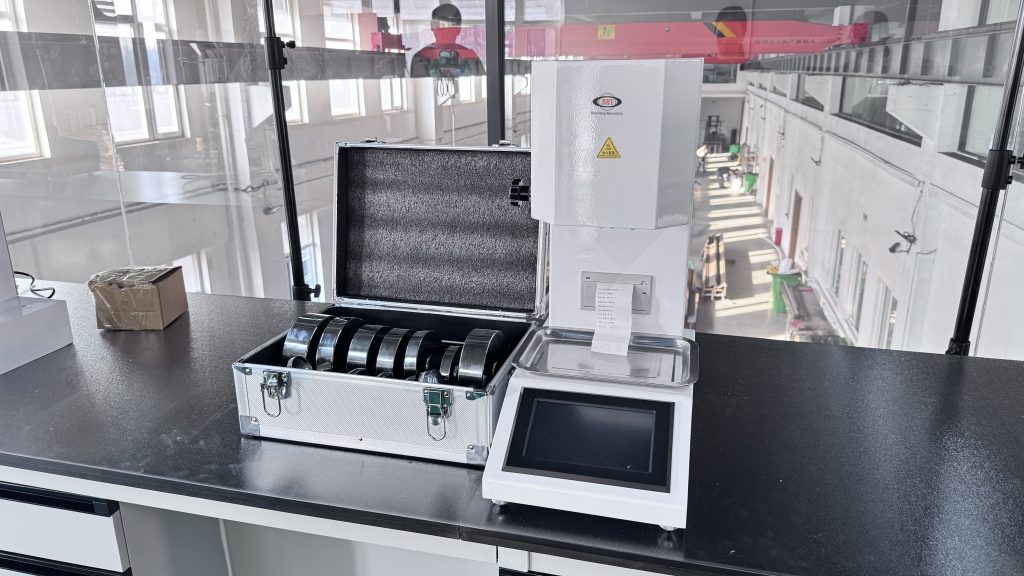
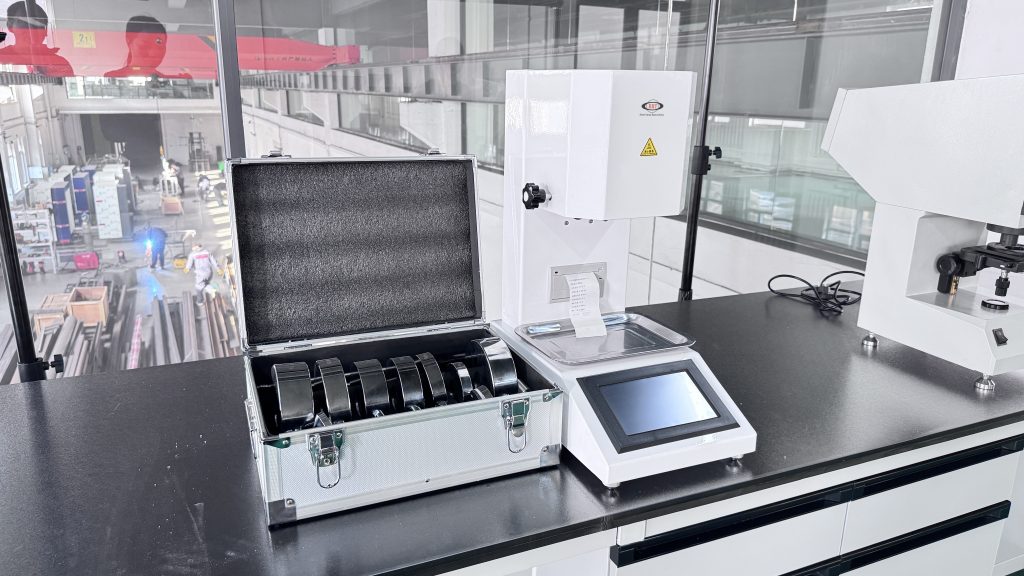
What Is Melt Flow Testing?
Melt flow testing is essentially a precise “flow speed” test. Molten polymer is forced through a die under standardized conditions, yielding a melt flow rate (MFR) expressed in grams per ten minutes (g/10min). The result is a rapid, low-cost snapshot of a polymer’s viscosity and consistency that quality teams can use before, during and after production.
Reading the numbers correctly matters:
- High MFR can ease mold filling and cycle times, but can also signal thermal degradation — especially in engineering materials such as polycarbonates or ABS — risking weaker, crack-prone parts
- Low MFR usually indicates stronger molecular chains, but complicates processing through higher viscosity and energy demand
- Unexpected MFR versus specification often reveals a different polymer grade, higher molecular weight, or a recycled blend with unknown additives
Why MFR Testing Matters for Quality Assurance
For quality assurance, MFR testing can expose inferior or incorrect products before they cause costly failures. Consider a compounder receiving polypropylene pellets labelled with an MFR of 12 g/10min for automotive parts, only to find the batch tests at 3 g/10min. This points to a different grade, higher molecular weight or a recycled blend — without testing, the batch could cause processing delays, poor fill or warping. With MFR verification, the team can correct the issue before costly defects occur.
Incorporating MFT into incoming inspection lets QA teams quickly verify polymer specifications, avoid production issues and build supplier trust. MFT also detects batch variability early, enabling adjustment or rejection before production begins.
MFT for Recycled and Mixed Polymers
With sustainability goals now mainstream, compounders are increasingly using recycled or mixed-source polymers — the global recycled plastic market is forecast to reach $107 billion by 2032. This shift brings variability in composition and degradation, making consistent processing and performance more important than ever.
MFT provides a quick check: if a recycled HDPE batch shows an MFR of 25 g/10min instead of the expected 8 g/10min, it may indicate degradation or contamination. While MFT cannot identify exact chemistry, it flags non-conforming batches before they reach production. For compounders, tracking MFR helps decide whether a batch meets specifications, needs blending, or should be rejected.
MFT on the Production Floor: A Real-World Case
MFT also supports production-floor quality control. In one example, a medical device maker faced complaints about hairline cracks in pre-filled syringes after shipment. MFR testing confirmed the pellets used for the syringes met viscosity specifications — the manufacturer had received the correct batch. This shifted the investigation to production processes, where an unevenly heated cavity in an injection press was found to cause poor flow and weak walls. Without MFT, blame might have fallen on the supplier, leading to wasted material and regulatory issues. Fast, consistent MFR results enabled targeted fixes and prevented costly disruptions.
Standards Compliance: ISO 1133 and ASTM D1238
Melt flow testing protocols follow ISO 1133 and ASTM D1238, the international standards for determining melt mass-flow rate (MFR) and melt volume-flow rate (MVR) of thermoplastics. Standards compliance is essential for results that are accepted across suppliers, laboratories and markets.
Force Application: Dead Weights vs. Load Cells
A critical reliability consideration is how the test force is applied. Many systems use load cells, which are permitted by ISO and ASTM, but:
- Dead weight stacks remain the preferred reference method per ASTM D1238, which states that dead weight results take precedence if laboratories differ
- Calibrated metal weights provide a constant, fixed force unaffected by signal drift or calibration errors
- Load cells offer flexibility but require frequent calibration and can be sensitive to changes in material state
Instruments that keep dead weights central prioritize reliability and standards compliance — exactly what high-volume QA environments need.
Why Melt Flow Testing Is Essential for Polymer Quality
With millions of tonnes of plastic produced each year, ensuring consistent polymer quality through melt flow testing is vital to reducing waste and preventing defects. Key benefits:
- Fast, cost-effective verification of polymer specifications at incoming inspection
- Early detection of batch variability — before scrap, downtime or recalls
- Confidence with recycled materials — flagging degraded or contaminated batches
- Objective troubleshooting on the production floor — distinguishing material issues from process issues
- Standards-compliant results per ISO 1133 and ASTM D1238, accepted across the supply chain
About Shenyang Baoruitong Automation Equipment Co., Ltd.
Shenyang Baoruitong Automation Equipment Co., Ltd. is a professional manufacturer of combustion testing instruments and laboratory equipment for the plastics, foam, textile, paper and building materials industries. Headquartered in Shenyang, China, the company is committed to precision engineering and international standard compliance, helping manufacturers worldwide verify product safety, improve quality control and meet regulatory requirements.
For more information about Shenyang Baoruitong’s testing instruments, pricing or a quotation, please contact our sales team or visit our website.
FAQ
Q1: What is melt flow testing? Melt flow testing (MFT) measures how easily a molten polymer flows through a die under standardized conditions, producing a melt flow rate (MFR) in grams per ten minutes (g/10min). It is a fast, low-cost indicator of polymer viscosity and consistency.
Q2: What standards apply to melt flow testing? Melt flow testing is governed by ISO 1133 and ASTM D1238, the international standards for determining melt mass-flow rate (MFR) and melt volume-flow rate (MVR) of thermoplastics.
Q3: Why is MFR important in incoming polymer inspection? MFR verification at incoming inspection quickly confirms that delivered pellets match the specified grade and properties, preventing processing delays, poor fill, warping and other costly defects — and building trust with suppliers.
Q4: Can melt flow testing verify recycled polymers? Yes. MFR testing flags non-conforming recycled batches — for example, degraded or contaminated material showing an unexpectedly high MFR — so compounders can decide whether to accept, blend or reject a batch before production.
Q5: Why do standards prefer dead weight force in melt flow testers? ASTM D1238 recognizes dead weights as the preferred reference method: calibrated metal weights deliver a constant, fixed force unaffected by signal drift or calibration errors, and dead weight results take precedence if laboratories differ.