
Description
Highlights at a glance
- Comprehensive thermal performance testing: It detects glass transition, melting, crystallization, oxidation induction period and other thermal indicators, meeting ISO and GB national standards.
- Ultra-high precision temperature and heat flow measurement: 0.01℃ temperature resolution and 0.01mW DSC resolution with dual temperature probes for excellent test repeatability.
- Flexible temperature program control: Supports heating, cooling and constant-temperature scanning with adjustable heating/cooling rates ranging from 0.1 to 80℃/min.
- Automatic dual-gas atmosphere switching: Nitrogen and oxygen supply with adjustable flow rate, fast switching and stable test environment.
- User-friendly intelligent operation: 7-inch touch screen, USB data transmission, compatible with mainstream Windows systems, with self-calibration standard metal samples supplied.
- Reliable low-maintenance design: Fully enclosed furnace structure avoids pollution; optional heat capacity test and remote data upload functions for laboratory diverse demands.
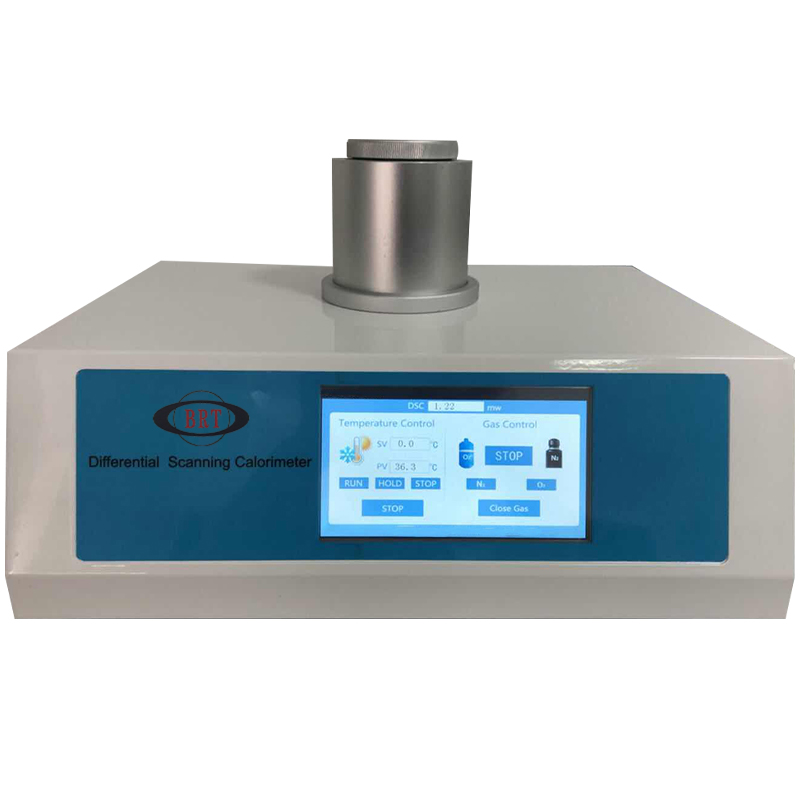
- Product Description
It can test indicators such as curing reaction temperature and thermal effect, glass transition temperature, cold crystallization, phase transition, melting temperature and its thermal effect, crystallization, curing/cross-linking, product stability, and oxidation induction period.
- Applicable Standards
The instrument meets and is not limited to the following standards:
GB/T 19466.2 – 2004 / ISO 11357-2: 1999 Part 2: Determination of glass transition temperature;
GB/T 19466.3 – 2004 / ISO 11357-3: 1999 Part 3: Determination of melting and crystallization temperatures and enthalpies;
GB/T 19466.6 – 2009 / ISO 11357-6: 2008 Part 6: Oxidation induction period – Determination of oxidation induction time (isothermal OIT) and oxidation induction temperature (dynamic OIT).
- Technical Parameters
- Temperature Range: Room temperature ~ 500℃
- Temperature Resolution: 0.01℃
- Heating Rate: 0.1 ~ 80℃/min
- Cooling Rate: 0.1℃/min – 30℃/min
- Constant Temperature: Room temperature – 500℃
- Constant Temperature Time: Recommended < 24h
- Temperature Control Mode: Heating scan, constant temperature scan, cooling scan (fully automatic program control)
- DSC Range: 0 ~ ±500mW; different ranges are automatically switched according to data size during the experiment
- DSC Resolution: 0.01mW
- DSC Sensitivity: 0.1mW
- Operating Power Supply: AC 220V 50Hz or customized
- Atmosphere Control Gas: Nitrogen, Oxygen (automatically switched by the instrument)
- Gas Flow Rate: 0 – 200mL/min
- Gas Pressure: 0.2MPa
- Crucible: Standard uncovered aluminum crucible, Φ6.5*3mm
- Parameter Standard: Standard thermal analysis reference materials (indium, tin, zinc) are provided as standard; users can calibrate temperature and enthalpy by themselves
- Data Interface: Standard USB interface
- Display Mode: 24-bit color, 7-inch LCD touch screen display
- Output Mode: Computer and printer
- Power: 300W
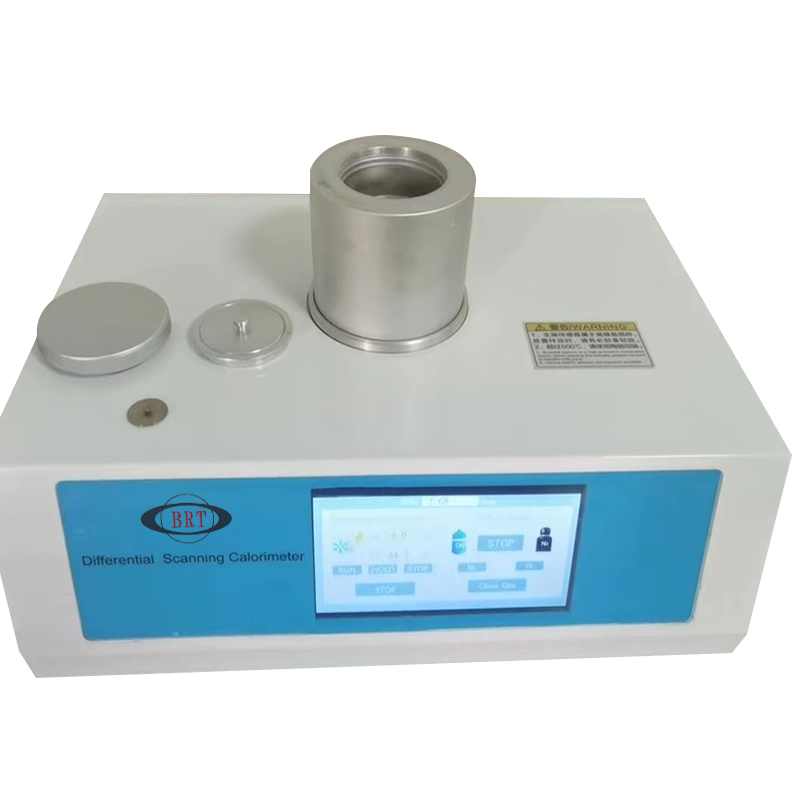
- Special Design: Fully enclosed bracket structure to prevent objects from falling into the furnace body, avoid furnace contamination, and reduce maintenance rate
- Optional Functions
- Specific heat capacity function: Complies with GB/T 19466.4 – 2016/ISO 11357-4: 1999 Part 4: Determination of specific heat capacity;
- Data network remote transmission function: Upload test results to a designated server after the test is completed.
- Product Features
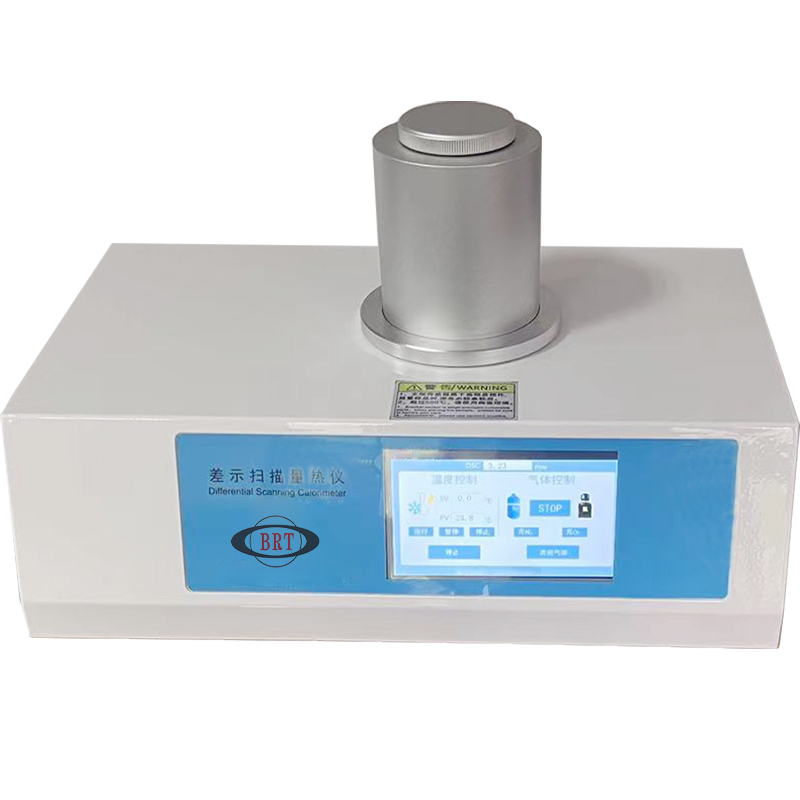
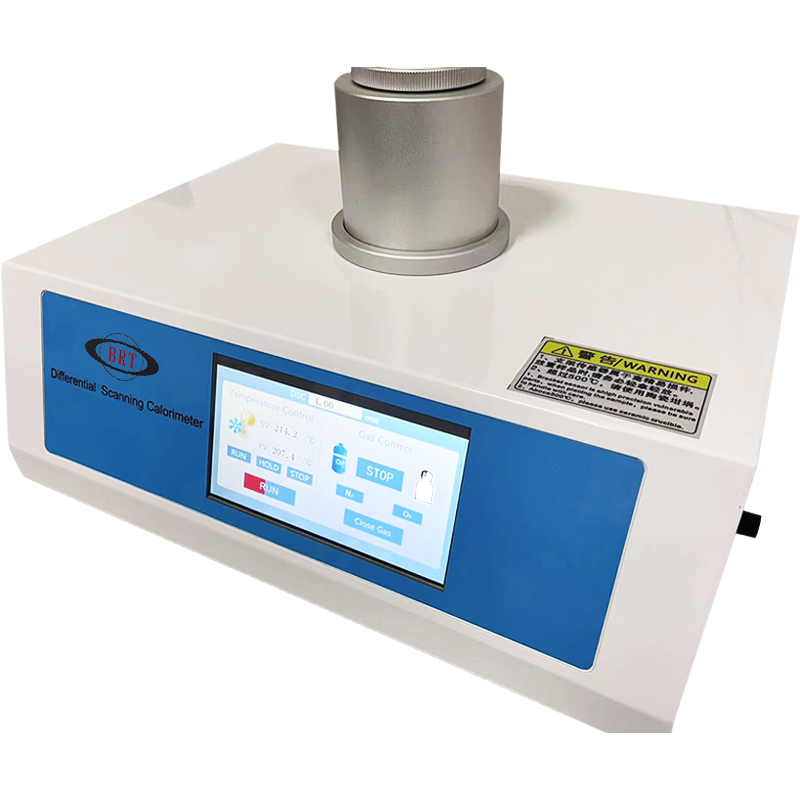
- Industrial-grade wide-screen touch structure, with rich display information including set temperature, sample temperature, differential thermal signal, and various switch states.
- USB communication interface, with strong versatility, reliable and uninterrupted communication, and support for self-recovery connection function.
- Compact furnace structure, with arbitrarily adjustable heating and cooling rates.
- Improved installation process, all using mechanical fixing methods to completely avoid contamination of differential thermal signals by colloids inside the furnace body.
- Dual temperature probes to ensure high repeatability of sample temperature measurement. One temperature probe is installed on the furnace wall for PID control of the entire furnace temperature; the other is installed at the bottom of the sample to measure the real temperature of the sample. A dedicated temperature control technology is adopted to control the furnace wall temperature so that the sample temperature reaches the set temperature.
- Automatic switching of two-way atmosphere flow, with fast switching speed and short stabilization time.
- Standard reference samples are provided as standard to facilitate customers to calibrate the constant temperature coefficient.
- The software is adaptive to computer screens of various resolutions; it automatically adjusts the display mode of each curve according to the computer screen size. Supports laptops and desktops; compatible with operating systems such as WIN7, WIN 8, WIN 10, and WIN 11.
- Equipment Composition
Differential Scanning Calorimeter Host: 1 unit
Aluminum Crucibles (ALC-1): 300 pieces
Power Cable: 1 piece
USB Cable: 1 piece
CD (including software and operation videos): 1 copy
Software Key: 1 piece
Oxygen Pipe/Oxygen Pipe: 5 meters each
Instruction Manual: 1 copy
Standard Test Samples (indium, tin, zinc): 1 copy
Tweezers: 1 piece
Spatula: 1 piece
Customized Pressure Reducing Valve Joints and Quick Joints: 2 pairs
Fused Glass Fuses: 4 pieces
Certificate of Conformity and Product Warranty Card: 1 copy
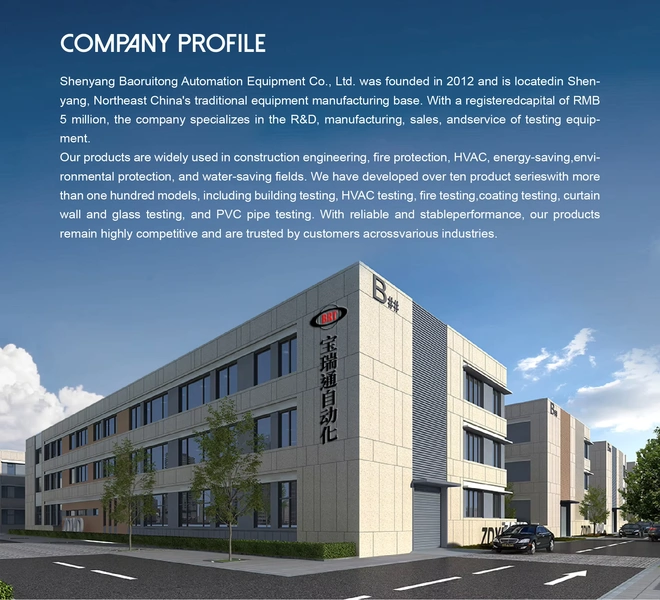
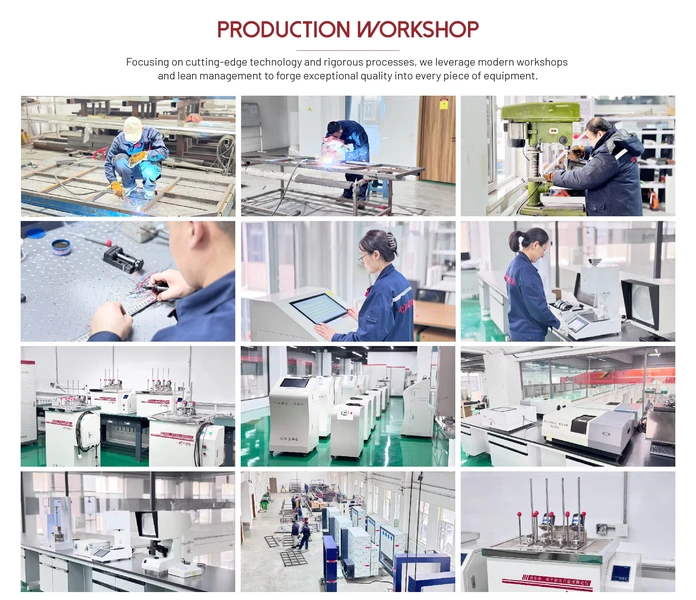
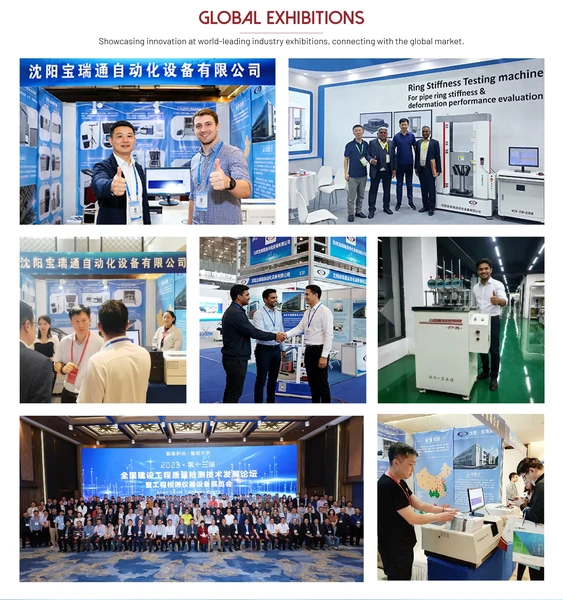
Shenyang Baoruitong Automation Equipment Co., Ltd. was founded in 2012 and is located in Shenyang, Northeast China's traditional equipment manufacturing base. With a registered capital of RMB 5 million, the company specializes in the R&D, manufacturing, sales, and service of testing equipment. Our products are widely used in construction engineering, fire protection, HVAC, energy-saving,environmental protection, and water-saving fields. We have developed over ten product series with more than one hundred models, including building testing, HVAC testing, fire testing,coating testing, curtain wall and glass testing, and PVC pipe testing. With reliable and stable performance, our products remain highly competitive and are trusted by customers across various industries.

Are You a Manufacturer or a Trading Company?
Shenyang Baoruitong is a professional manufacturer of testing equipment, not a trading company. With more than ten years of experience in developing automated testing systems, we provide complete solutions covering product design, hardware development, software integration, manufacturing, installation, and after-sales service.
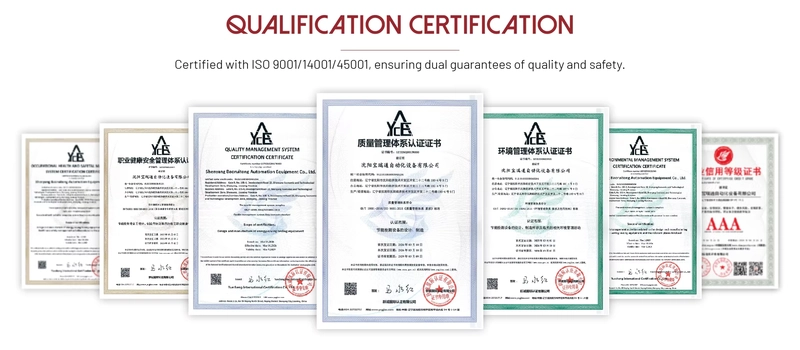
Our proprietary technologies achieve measurement precision of up to ±0.001 mm, while our modular engineering approach allows rapid customization to meet specific customer requirements. Certified under ISO 9001 and CE standards, our products are exported to more than 30 countries worldwide.
What Is Your Production Capacity?
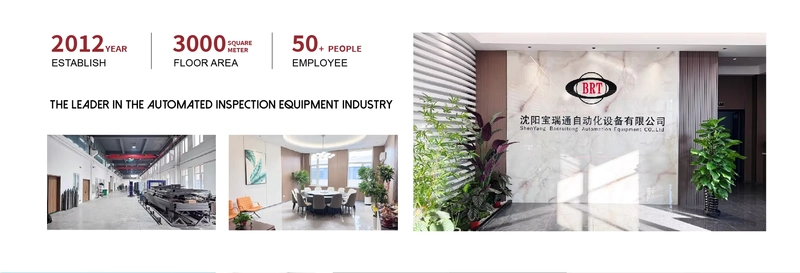
Our company operates a standardized manufacturing facility covering 3,000 square meters, with an annual production capacity exceeding 500 units of testing equipment.
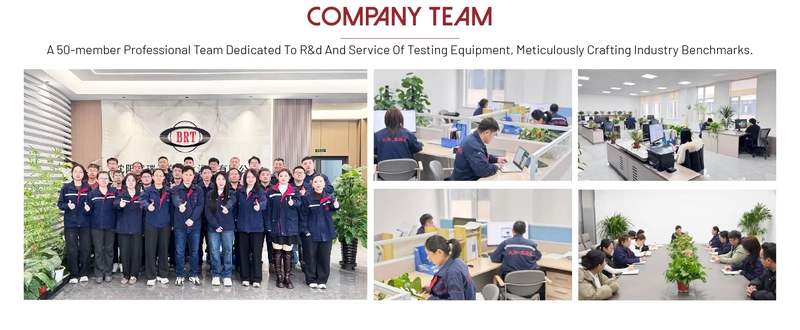
Supported by a dedicated R&D team of more than 20 engineers and specialists, we have successfully completed large-scale projects for the solar energy, building energy efficiency, and fire safety industries, ensuring reliable product quality and on-time delivery.
What Certifications Do Your Products Have and How Is Quality Ensured?
All product lines are manufactured under the ISO 9001 Quality Management System. Core testing equipment is CE certified and supported by independent third-party testing reports where applicable.
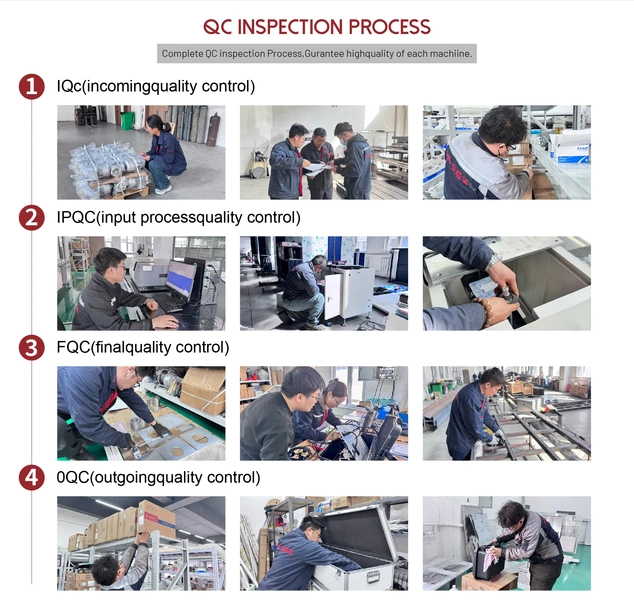
Our quality assurance process includes:
- 100% incoming raw material inspection
- Three-stage quality control during production
- Comprehensive performance testing before shipment
- 24-hour continuous operation testing to ensure stable performance
Is the Equipment Difficult to Operate? Is Training Required?
No. The equipment features an intuitive bilingual Chinese-English touch-screen interface with one-click testing procedures, making operation simple and user-friendly.
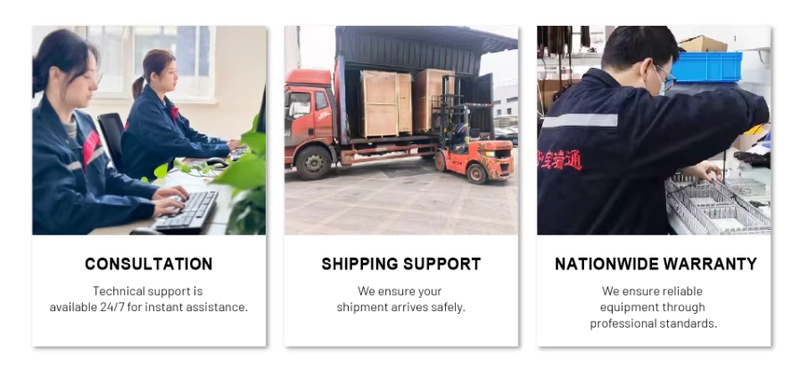
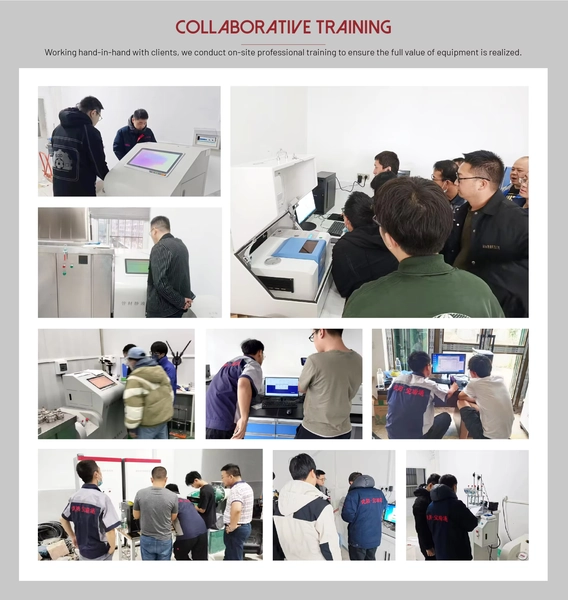
We provide free online and on-site training. Most users can operate the equipment independently within one to two days. Detailed user manuals, video tutorials, and remote technical assistance are also available whenever support is needed.
Are Operating Costs High? Is Maintenance Complicated?
Operating costs are low thanks to energy-efficient hardware that typically consumes around 30% less power than comparable industry equipment.
Daily maintenance is straightforward. The modular design allows quick replacement of components and consumables, while routine maintenance generally involves only basic cleaning and periodic consumable replacement.
We provide comprehensive maintenance documentation and lifetime technical support to ensure long-term equipment reliability and performance.