
For In-Situ Real-Time Reaction Monitoring
This FTIR infrared spectrometer enables in-situ, real-time monitoring of chemical reactions, providing dynamic data on reactants, intermediates, and products to support reaction optimization and process control.
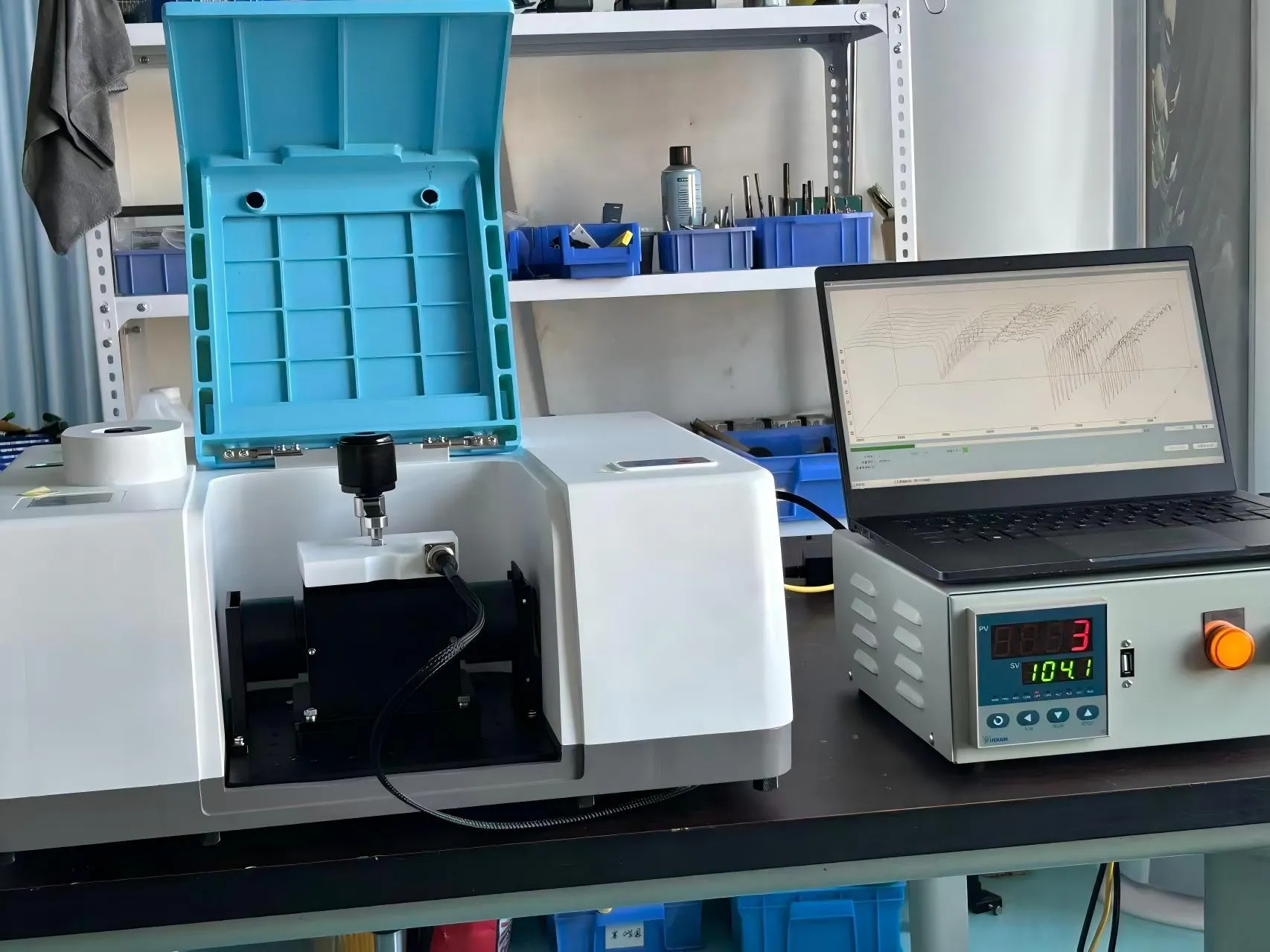
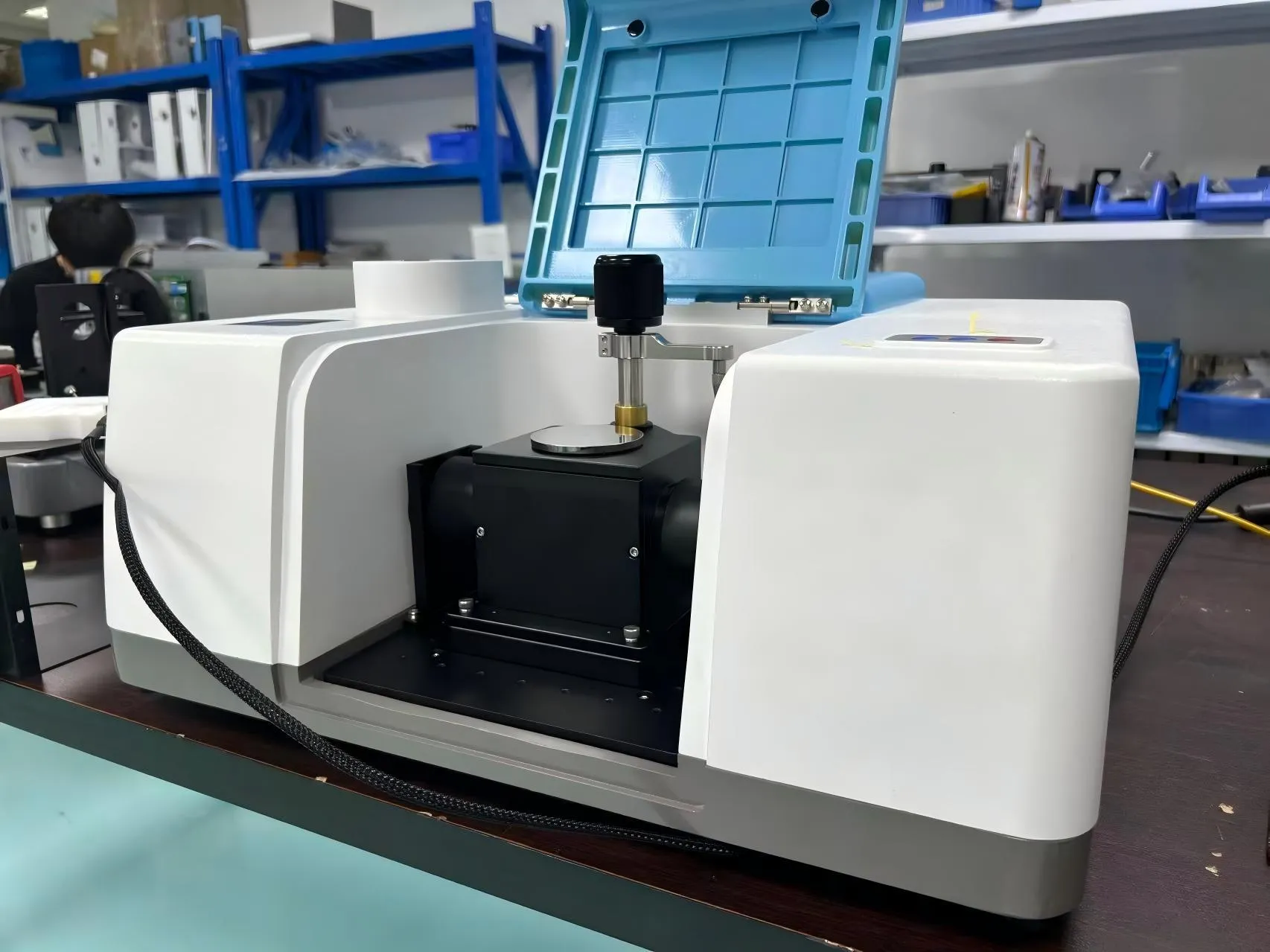
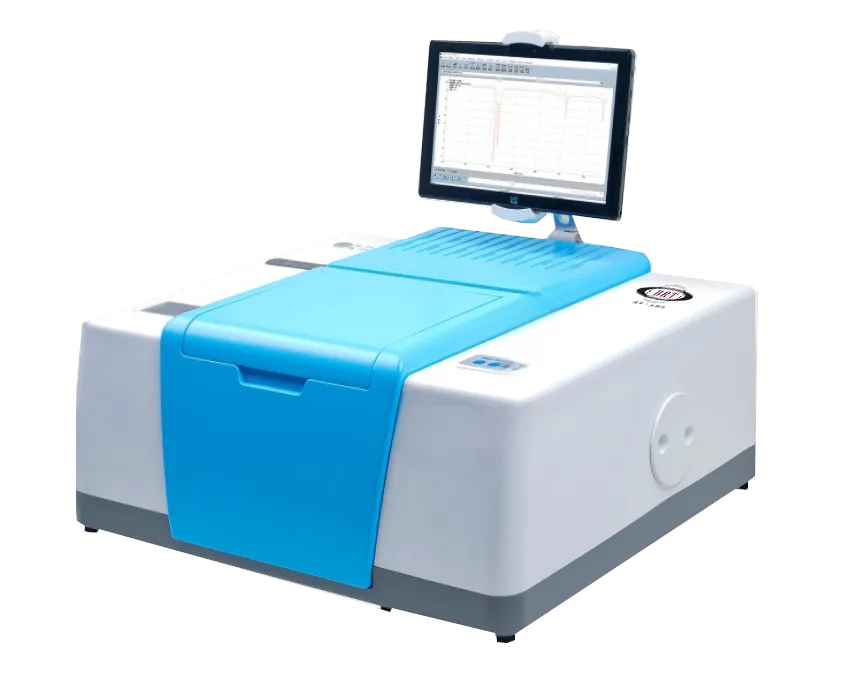
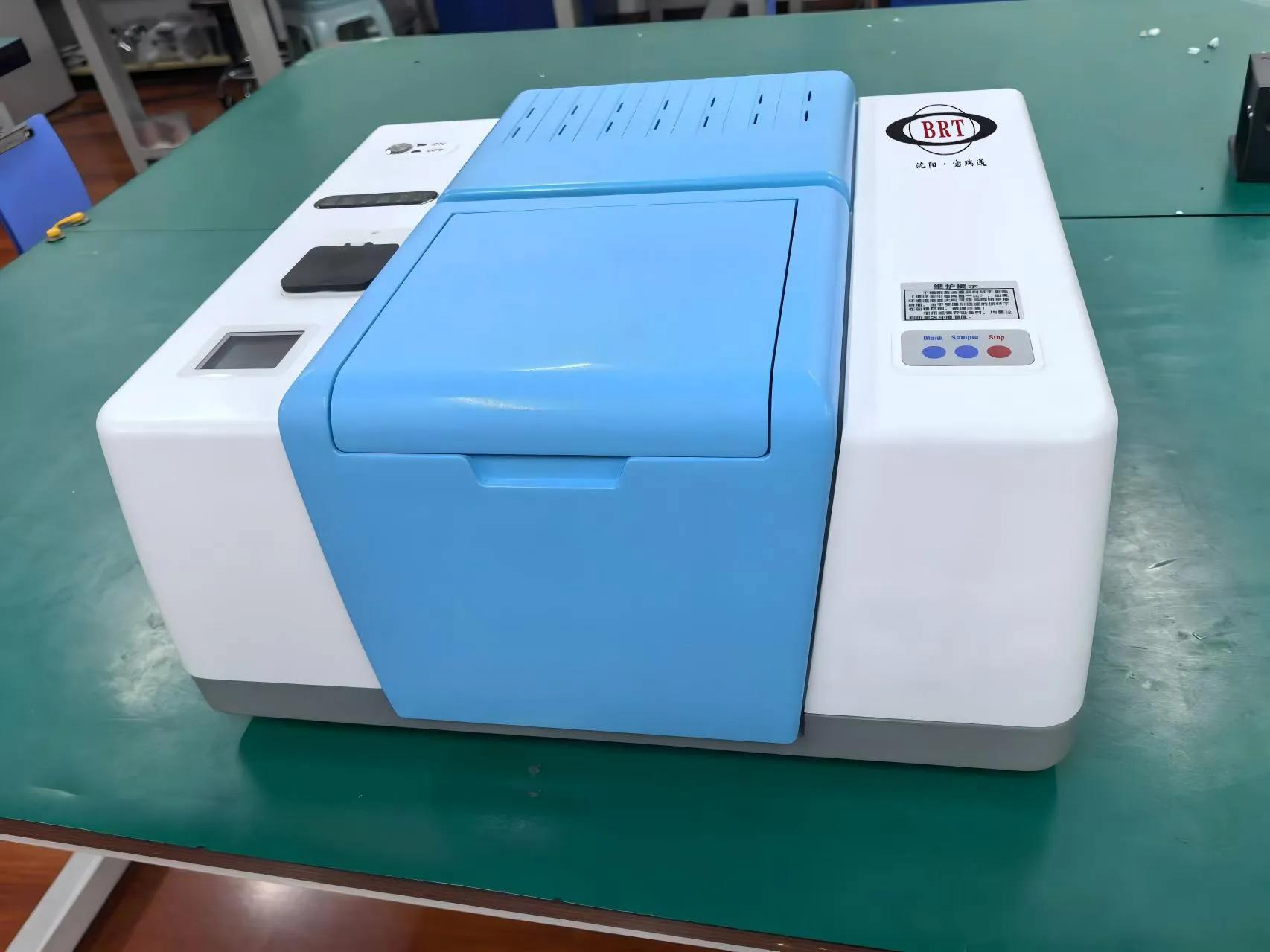
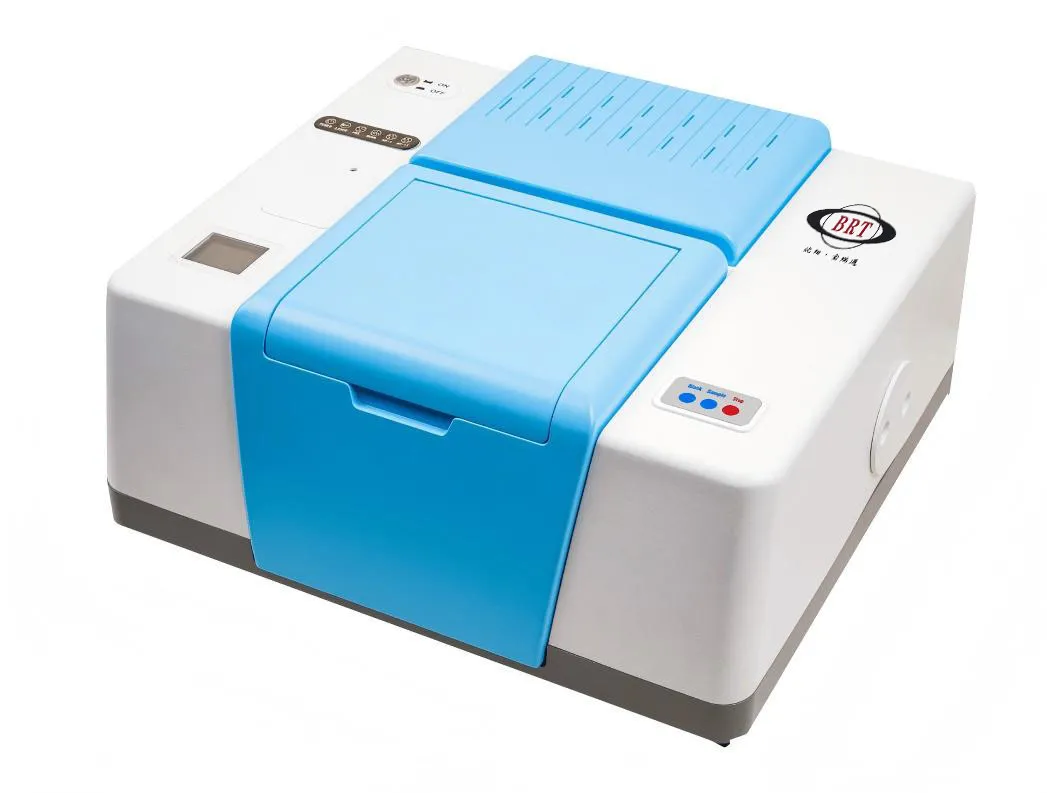
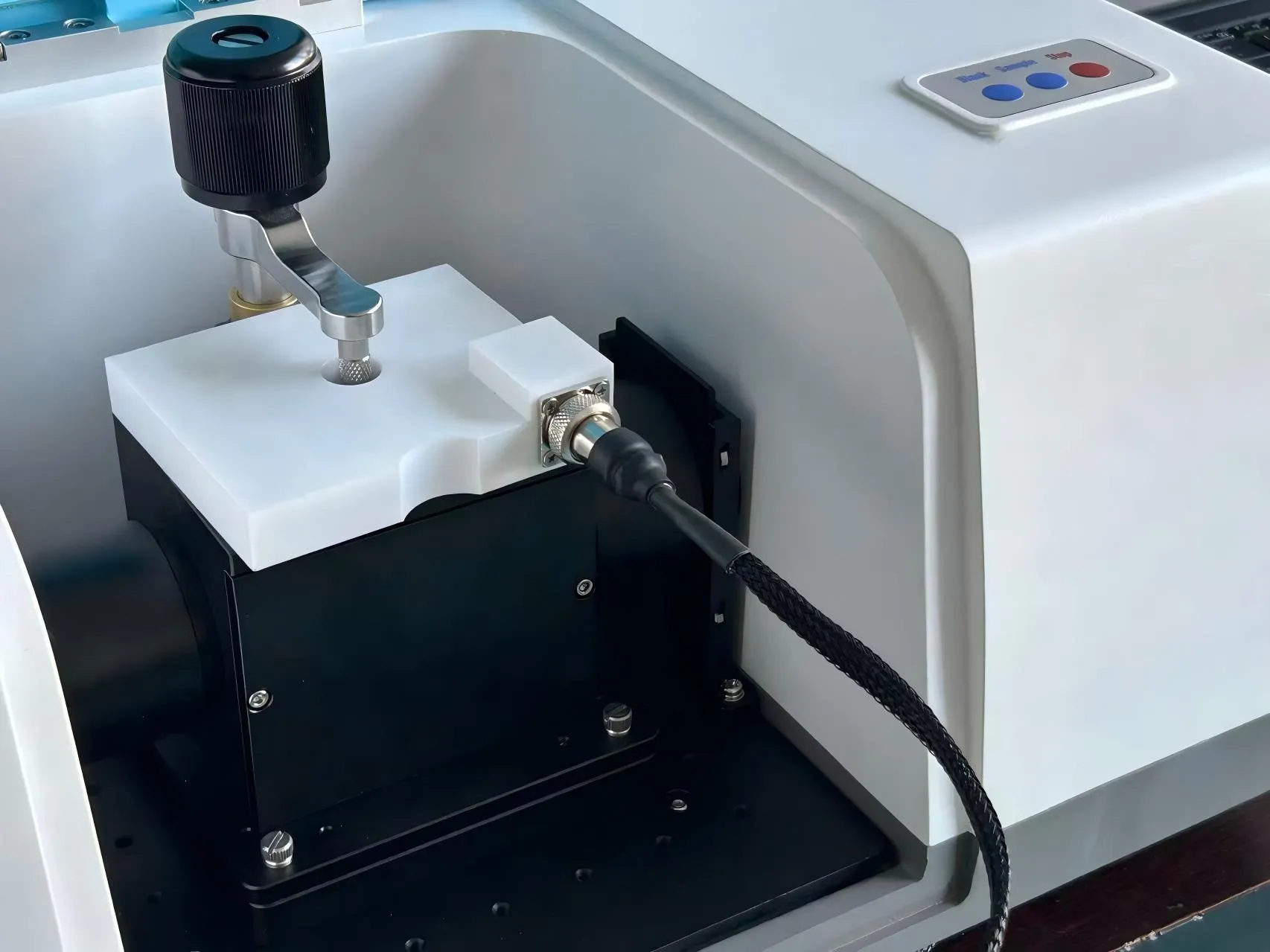
Fourier Transform Infrared (FTIR) spectroscopy is an analytical technique used in industrial and research laboratories to understand the structure of individual molecules and the composition of molecular mixtures. FTIR spectroscopy uses modulated mid-infrared energy to analyze samples.
Infrared radiation is absorbed at specific frequencies that are directly related to the vibrational bond energies between atoms within a molecule. When the vibrational energy of a chemical bond matches the energy of mid-infrared radiation, the bond absorbs that energy.
Different bonds within a molecule vibrate at different energy levels and therefore absorb infrared radiation at different wavelengths. The position (frequency) and intensity of these absorption bands together generate a spectrum, forming a characteristic molecular fingerprint.
FTIR spectroscopy has broad applications in molecular analysis that are important to the pharmaceutical, chemical, and polymer industries. FTIR analysis is used in industrial and research laboratories to better understand molecular structures, as well as the kinetics, mechanisms, and pathways of chemical reactions and catalytic cycles.
FTIR spectroscopy is used to ensure that raw materials, intermediates, and final products comply with specification requirements.
During chemical and pharmaceutical research and development, in-situ FTIR spectroscopy helps support reaction scale-up, optimize reaction yields, and minimize by-product impurities.
In chemical and pharmaceutical manufacturing, FTIR spectroscopy serves as a Process Analytical Technology (PAT) tool to ensure that processes remain stable, controlled, and compliant with final product specifications.
Understanding complex chemical reactions presents both a significant challenge and an important opportunity for chemists and engineers. Gaining deeper insight into how reactions work, as well as identifying optimal conditions for development, scale-up, and process operation, is critical to achieving final product targets in yield, purity, and cost.
In-situ FTIR spectroscopy enables real-time tracking and monitoring of reaction progress, making it particularly suitable for gaining a deeper understanding of reaction mechanisms and optimization strategies. Comprehensive insight into a reaction requires identifying and analyzing changes in key components—such as reactants, intermediates, products, and by-products—while the reaction is occurring.
Important reaction events, including initiation, steady-state conditions, and reaction endpoints, can be revealed. Real-time analytical data can be used to determine reaction rates and other key kinetic parameters, and to support proposed reaction mechanisms.
Because in-situ FTIR collects a large number of data points, it is especially valuable in data-rich experiments such as Reaction Progress Kinetic Analysis (RPKA).
In summary, all of these insights can be readily achieved using in-situ FTIR spectroscopy, whereas traditional offline analytical methods are often unable to operate under challenging conditions such as high pressure, highly corrosive environments, air- or moisture-sensitive systems, or toxic materials. Furthermore, offline analysis may require minutes to hours to generate results and may suffer from reproducibility issues.
To measure chemical properties in real time, modulated infrared radiation must be transmitted into a reaction vessel or continuous flow system, and the unabsorbed energy must then be returned to the spectrometer.
To accomplish this, ReactIR technology utilizes an internal reflection (Attenuated Total Reflection, ATR) sensor mounted at the tip of a tubular optical probe that can be inserted directly into a chemical reaction. Alternatively, an ATR sensor can be integrated into a flow cell to monitor continuous flow reaction systems.
The ATR method is an ideal complement to FTIR instruments for analyzing and monitoring chemical reactions. Because infrared energy penetrates only a limited depth into the sample, high-quality FTIR spectra can be obtained even from optically dense reaction mixtures.
The measurement focuses on the solution phase of the chemical reaction, and substances such as bubbles, particles, catalysts, biogenic solids, and water do not significantly interfere with the analysis.
ATR sensors suitable for chemical reaction analysis must have the appropriate refractive index to enable internal reflection and must also operate reliably in harsh chemical environments. Diamond and silicon are both commonly used materials for FTIR-ATR sensors. The selection depends on the type of chemicals involved and the infrared absorption bands that need to be monitored.
In-situ FTIR spectroscopy is widely used in research, early- and late-stage development, process scale-up, and reaction optimization. The technique can analyze batch and flow reactions, reactions in both polar and non-polar solvents, and reactions across a wide range of pH, temperature, and pressure conditions.
Data acquisition is performed automatically, typically generating qualitative or quantitative information every minute. In-situ FTIR spectroscopy provides data to support Design of Experiments (DoE) studies and other statistical analysis methods, without the delays and complex sampling or preparation procedures often required for offline analysis.
This means that only a limited number of experiments are needed to obtain the information required to determine reaction driving forces, rather than performing a large number of experiments to establish rate correlations.
In-situ FTIR generates reaction kinetic parameters and defines critical process parameters (CPPs) that can be seamlessly transferred to production. Because of its ability to detect and identify reaction intermediates and to measure kinetic parameters, in-situ FTIR is widely used to support proposed reaction mechanisms.
Common applications of in-situ FTIR spectroscopy include:
Compared with other analytical methods, including other molecular spectroscopy techniques, in-situ FTIR-ATR offers numerous advantages. These advantages help researchers and scientists improve chemical development, including:
Chemical synthesis
Hydrogenation reactions
Metal-catalyzed reactions
Biocatalysis | Enzymatic catalysis
Catalysis and recrystallization (supersaturation)
Halogenation / Lithiation / Fluorination chemistry
Suzuki and other cross-coupling reactions
Organometallic chemistry
Low-temperature reactions
Quality by Design (QbD) & Process Analytical Technology (PAT)
© Goban Test 2026